2 Weeks Notice

edit1

So, here’s the part when I tell you all that we only have a month left of living in China! Now, don’t worry. For all you loyal readers we have an epic tour of Southeast Asia starting mid-July, and we plan on documenting our travels right here on the blog. K also has a series of video projects in the works, and we both want to do a retrospective about all the things we’ve learned during our time as expats.

edit2

Continue reading

China 101: City Speak

edit2

edit1

Chinese. Living here, we’re steeped in it daily. We’ve delved into some of the differences in previous posts, and even tried to teach you some words. But now, I’m going to drop some linguistics on you.

edit7

Nearly 80% of the world’s population speaks 1% of existent languages (see National Geographic’s project here). That’s a huge disparity. China, though it seems to be one massive Eastern hegemon sometimes, is actually made up of an incalculable number of subgroups that are riffs on the same theme. What is known globally as the Chinese language–Mandarin (普通话, Pǔtōnghuà)–is one distinct coloration of what it means to be a Chinese speaker.

Continue reading

China 101: Street Food

In China, there are quite a few options if you like street food. Vendors will lineup anywhere and everywhere selling wares like fresh fruit, quail eggs, red bean cakes, roasted meat on skewers, seafood soup, corn on the cob, sticky pork buns, bamboo dumplings, and our local specialty in Jian’ou- Guǎng bīng (广兵)- little rounds of unleavened bread that taste a bit like Saltine crackers. Some street food is more intimidating like live eel or connective duck tissue for barbecuing, and seem a little barbaric to our Western sensibilities about hygiene. However, trying these delicacies is usually the best way to sample the authentic local flavor.

Continue reading

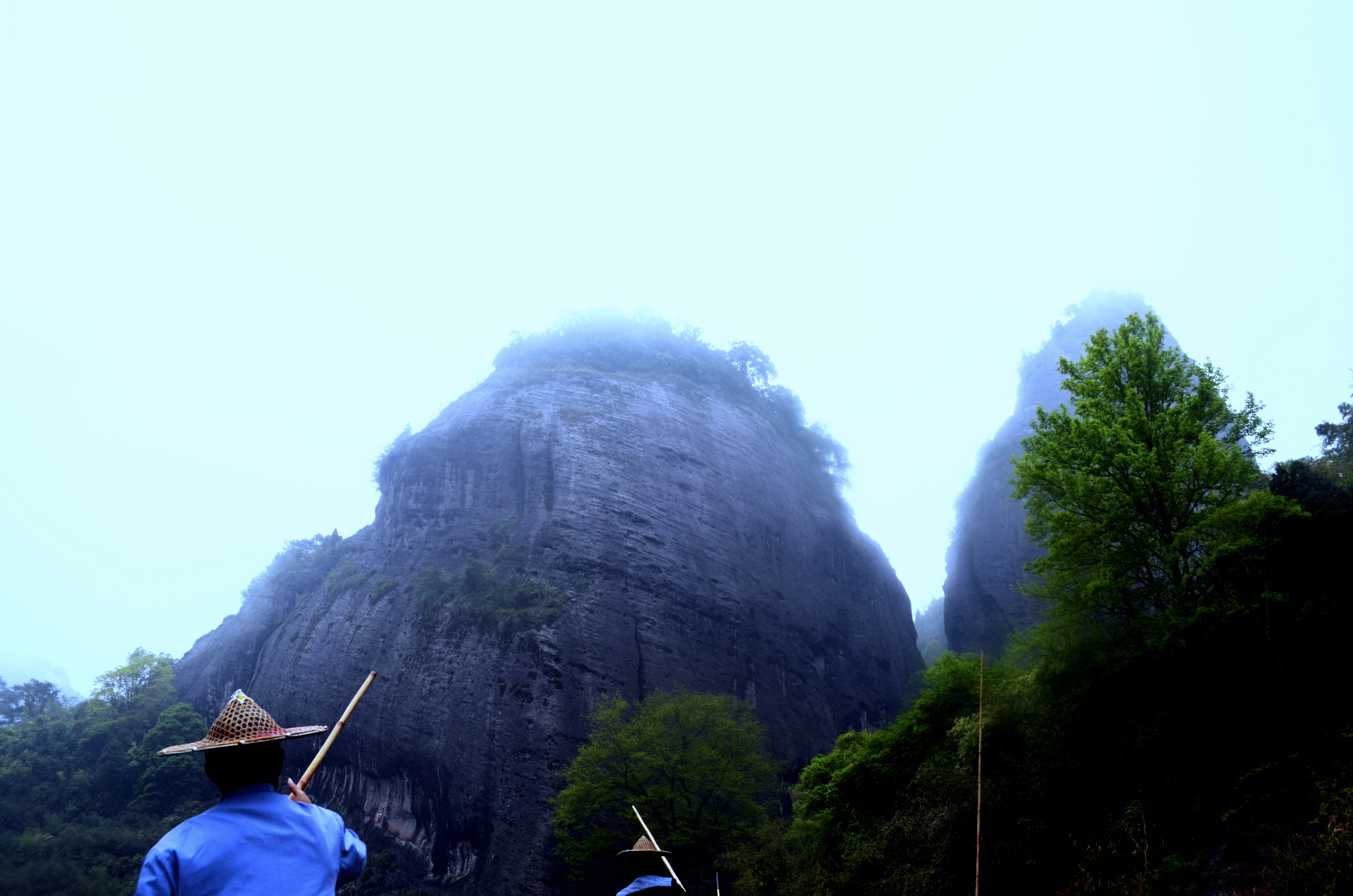
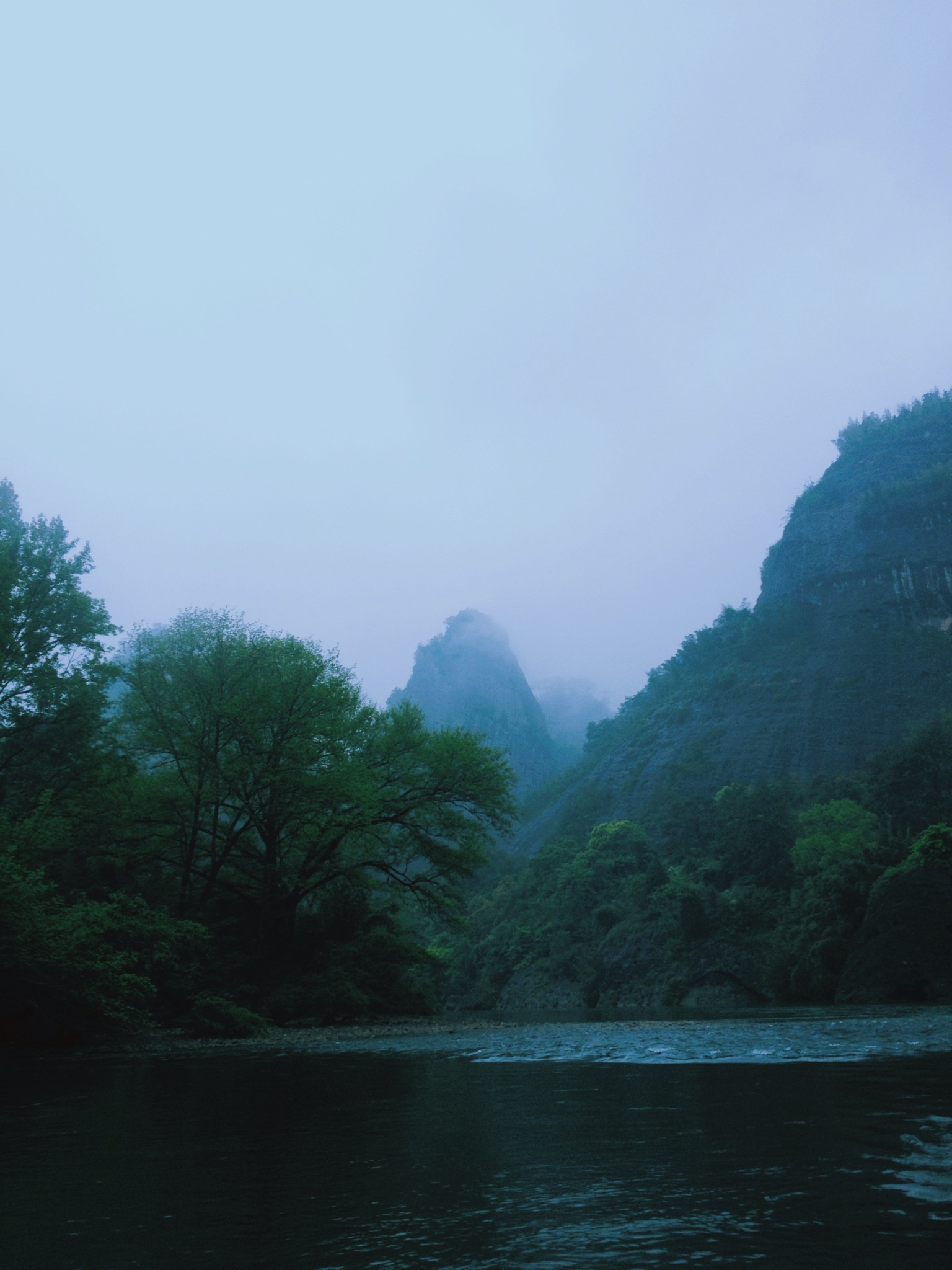
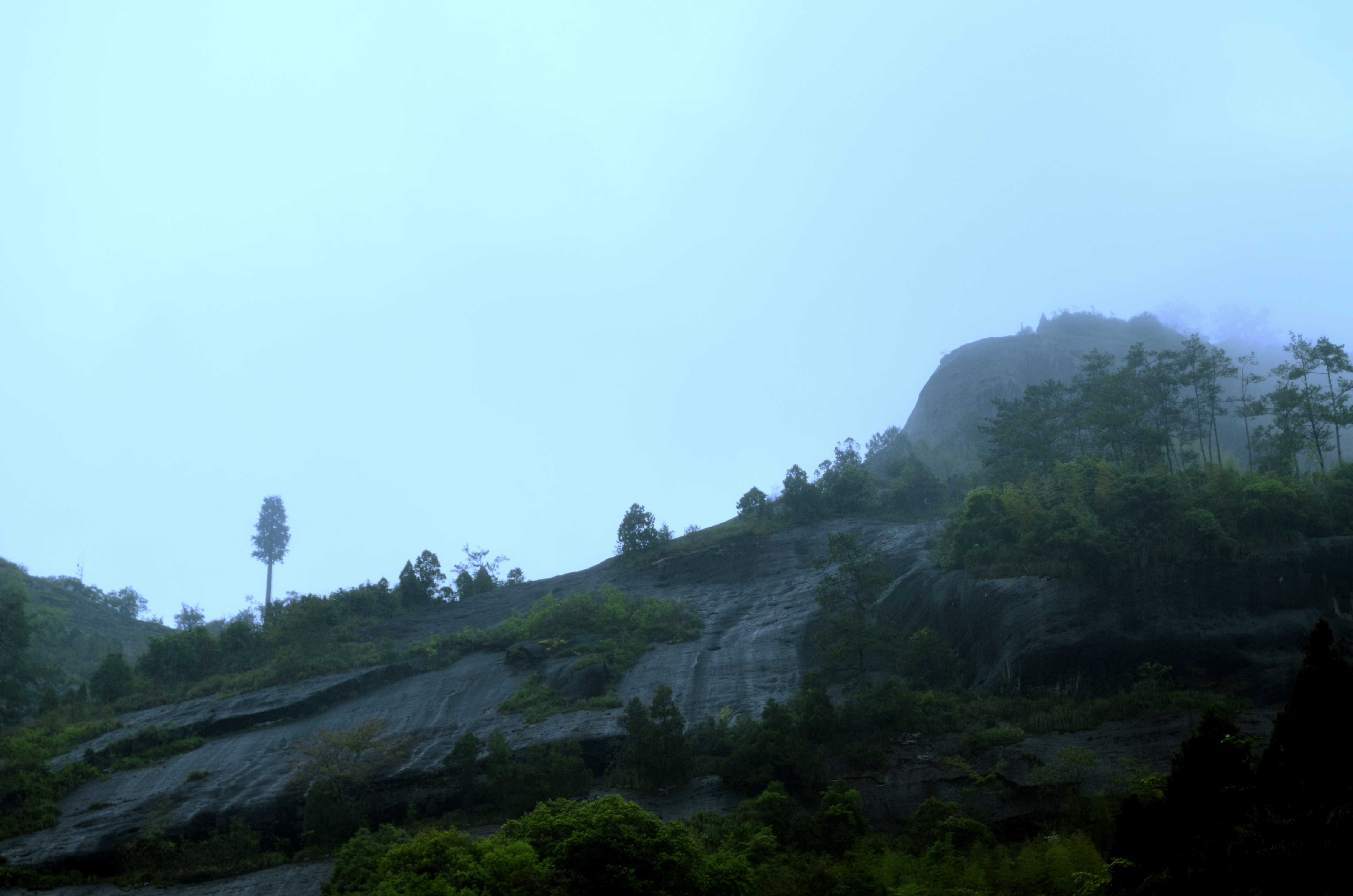
Clear and Bright Weekend

Location: Jiuqu River, Wuyi Mountain, Fujian Province, China

edit19

Processed with VSCOcam with c1 preset

edit23

You may not know this about me, dear reader, but I consider myself to be a woman of inherent paradoxes. One of these paradoxes, thankfully, K and I share. Despite my intense love for adventure and the way in which I passionately seek encounters with new places, people and ideas; I absolutely hate surprises. Now I admit, a little spontaneity can be good for the soul. I’m not saying a weekend getaway or an unexpected gift can’t be pleasant every now and again. However, I am a person who largely wants to have some semblance of knowledge about how she will be spending her days. Will I be climbing mountains, visiting ancient temples, trekking through forests, or sitting in front of my T.V. binge watching episodes of Game of Thrones? Do I need to buy popcorn or pack an overnight bag with hiking gear and galoshes? I simply want to be prepared.

Continue reading

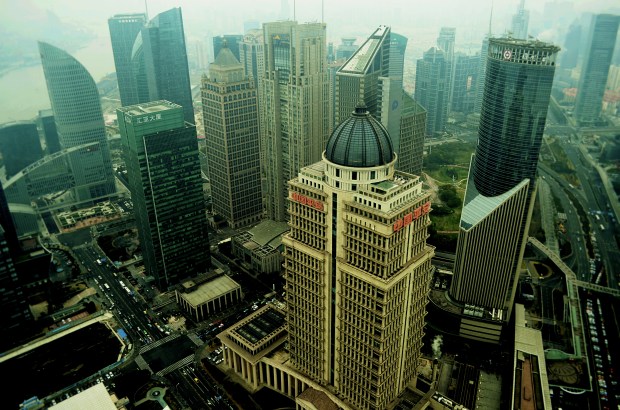
Shanghai- The Megalopolis

Location: Shanghai, Shanghai Municipality, China

edit1

edit25

edit3

Shanghai is a new city by Chinese standards, which means that it’s about a hundred years old. It only started its outlandish growth in the past 30 years, and is now the largest city in the world, second to Lagos, Nigeria. Al Gore’s fantastic nonfiction tome (but possibly secretly a dystopian fiction story) The Future depicts those two cities sprawling to the point that they outclass most small European countries in GDP, pollution, and population density. It’s been rigorously planned by the Party, to the point that they have a scale model of the entire metropolitan area despite a good portion of it not being built yet. You can see this at the Architecture Museum, a fantastic place to see the history of the city, but also the party rhetoric and its inevitable glorious, harmonious future. Never mind the smog.

Continue reading

Beijing- The Forbidden City

Location: Peking, Beijing Municipality, China

edit2

edit25

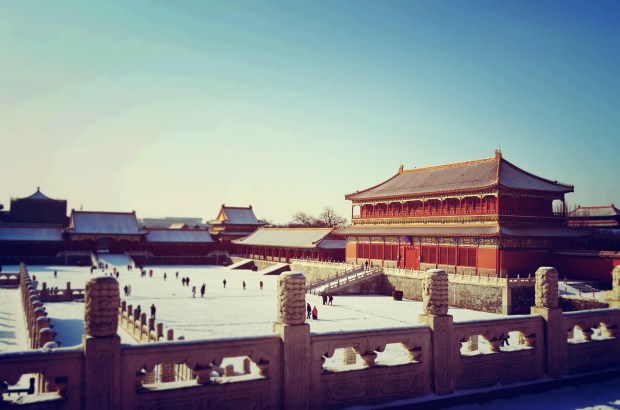
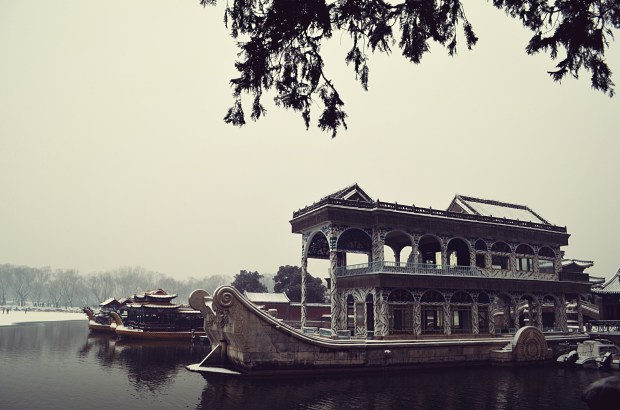
How can you describe a city that’s–by all accounts–the face of one of the largest countries in the world and one of the oldest continuous capitals? Beijing is a place of many paradoxes, of rapid growth and intense political power, but also reminders of the way things used to be. It’s three thousand years old and has seen all kinds of changes, both backwards and forwards. It has opulent palaces and historical edifices that are legendary across the world, but also is one of the most modern cities in China.

edit33

edit27

edit10

Continue reading

Harbin-City of Ice

Location: Harbin, Heilongjiang Province, China

edit28 edit25

Despite being the first city in our series of travels, we knew the least about Harbin. I added it to our itinerary after reading an article claiming the city as a can’t-miss spot for winter tourism in China and the host of the greatest winter festival in the entire world. Those are such bold words, it was just too tempting not to see it with my own eyes. After looking at photographs online, and discovering that this life-size frozen playground was only available from January 5-February 5 annually, I became obsessed. This would be our only chance. You can judge by our pictures below, but it’s safe to say, the city did not disappoint.

Continue reading

School Rules

Location: Jian’ou No. 1 Middle School,  Fujian Province, China
edit4

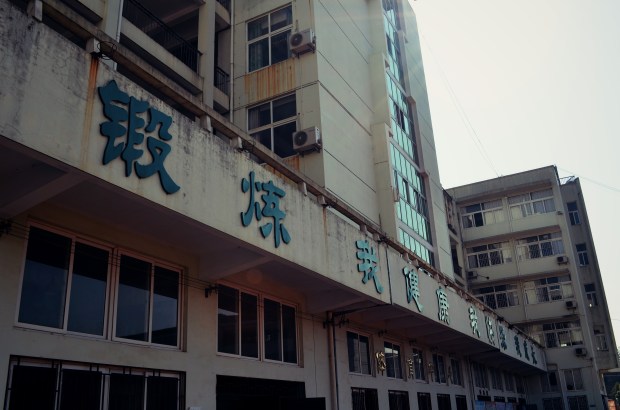
Since we just finished giving our students their final exams, we thought we would talk a bit about what it is like to teach and learn here in China. We have been fortunate enough to meet and befriend another English teacher in our area. Her name is Suvien and she has been begging us to come see her at work for months. We finally did, thus had the ability to see what schools other than ours are like.
edit3

One of our favorite things are the uniforms. Children under the age of eight are required to wear yellow hat/red kerchief combos. They look like members of some sort of scouting troop. It’s interesting because every young student has the same color scheme, regardless of which school they attend. We assume that the name of their school is printed on the brim of their hat but, since we’re illiterate, we can’t tell for certain. It looks a little like Madeline, except the lines the children stand in are longer.

Continue reading